
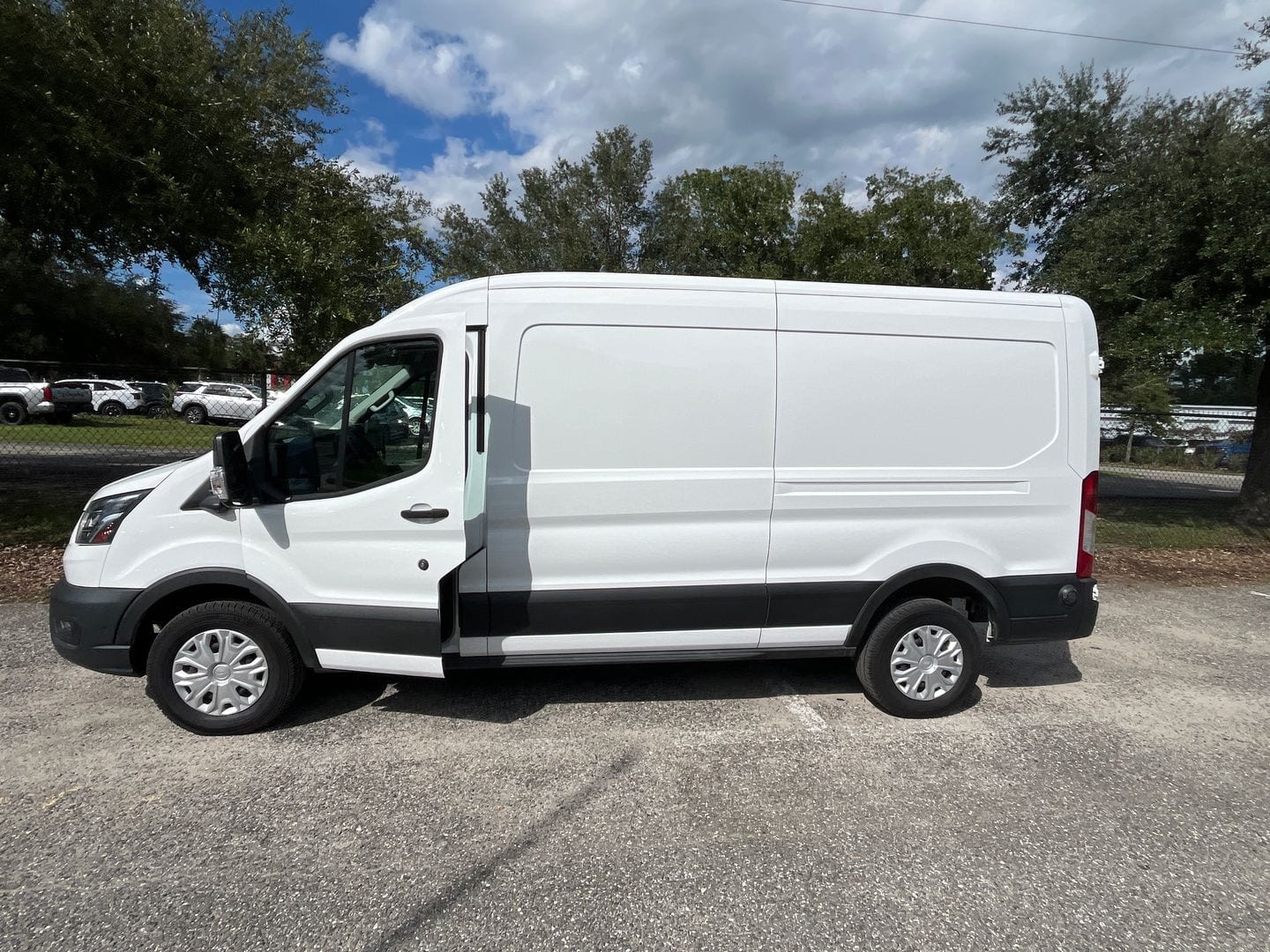
An electric van in Jacksonville, FL, and a buyer with three questions
The 2022 Ford E-transit in this story was for sale in Jacksonville, FL, and the buyer wanted an independent look at it before committing any money. Photos and a seller's description only go so far. An inspector in our network went to the van so the buyer didn't have to guess.
The buyer's request at booking was short and practical. Confirm the van doesn't smell like cigarettes. Confirm it drives as expected. Confirm there are no major issues.
Cigarette odor is a fair worry on any used vehicle. Smoke residue settles into upholstery, headliners and ventilation, and it can't be judged from a listing. The other two questions, how the van drives and whether anything serious is wrong, are exactly what a pre-purchase inspection is built to answer.
What does a pre-purchase inspection check on a 2022 Ford E-transit?
The EV Inspection tier covers body, underbody, tires, glass, electrical items, interior, motor and driveline, steering, suspension, brakes, an OBD-II scan and a road test. The buyer booked that tier for this van, and the inspector worked through it item by item.
The exterior checks cover paint and body condition, evidence of prior repair or respray, scratches, cracks, dents and rust, plus the glass and lights. The inspector also looks for signs of previous accident or flood damage. Flood evidence deserves a deliberate look on any vehicle, and on one built around a large electrical system it is one of the first things a buyer wants ruled out.
Underneath, the tier includes an underbody check for rust, frame damage or structural repair, along with steering, suspension, braking components and all driveline parts. Vans are usually bought to carry things, so a buyer wants to know the suspension, mounts and brakes are in sound shape. Under the hood, the inspector does a visual inspection, checks fluid levels and looks for leaks or missing parts.
Inside, the scope covers upholstery, mats, headliner and seat belts, and the operation of lights, A/C, gauges and every other electrical item. An OBD-II scan reads any stored trouble codes. A road test evaluates the drivetrain where the vehicle is street legal, insured and the weather is safe. Concerns the buyer flags at booking get extra attention within that scope, and the results arrive as a photo-documented PDF report with a go / caution / stop summary.
The published scope for this tier does not list a high-voltage battery capacity or state-of-health test, a charging test or any instrumented measurements, and none were reported. If battery condition weighs on your decision, ask the seller for whatever documentation they have.
What did the inspection find on this E-transit?
The inspector rated every checklist item good, found no accident or flood evidence, read no trouble codes, and reported that the van drives great. The inspector's own summary was that everything looks great and all parts are in great condition.
The exterior came back in excellent shape. Paint and body were rated excellent, and panel gaps were even and consistent with original panels, with no sign of prior repair. Glass and lights were all good, tire tread was healthy at more than 6/32", the wheels were in good condition and the inspector found no rust.
The interior answered the buyer's first question directly. The odor check was rated clean, so no cigarette smell. Seats and upholstery were excellent, the dash and electronics all worked, both heat and A/C worked, every seat belt functioned, and interior wear was consistent with the van's mileage.
Under the hood and underneath, the results were just as tidy. The oil condition and coolant items were both rated clean and full, belts and hoses were good and there were no visible leaks. Start-up and idle were smooth. The frame was solid, the suspension tight, CV boots, bushings and mounts were good, and the driveline was rated good.
The road test settled the buyer's second question. Braking was smooth and straight, steering was centered and tight, the transmission and shifting item was rated smooth, highway behavior was stable, and the inspector noted no noises or vibrations.
Were there any watch items or problems on this van?
No watch items or problems were flagged on this van, and the OBD-II scan returned no stored trouble codes. The inspector's diagnostic note told the buyer there was no reason for worry or concern with the vehicle.
A report with nothing flagged leaves nothing to negotiate on from the inspection itself. Any price discussion would rest on other factors, such as the asking price compared with similar vans or the buyer's own budget, rather than on the van's condition.
A clean report describes the vehicle on the day it was inspected. Inspection findings are not a warranty, and they don't predict how the van will be used or maintained after the sale. What the report does give the buyer is a documented baseline, with photos, of the condition the van was in at purchase.
What the Proceed rating meant for the buyer's decision
The overall guidance on the report was Proceed, with no major issues. On the go / caution / stop scale, that is the green end: nothing the inspector saw argued against buying the van.
Each of the buyer's three booking questions got a clear answer. The odor check was clean. The road test showed the van drives as expected, with smooth braking, centered steering and stable highway behavior. And across every rated item, nothing rose to the level of a major issue.
Whether a used E-transit is worth buying still depends on the price and on how you plan to use it. On condition, though, this particular van gave the buyer no reason to hesitate, which left the remaining decisions about price, paperwork and fit firmly in the buyer's hands.
What to check before buying a used Ford E-transit
A Ford E-transit inspection checklist starts before anyone sees the van. When you book, write down the specific things you care about, the way this buyer named cigarette odor and drive quality. Flagged concerns get extra attention within the package scope.
On the outside, look at panel gaps and paint consistency for signs of prior repair or respray, check for rust, dents and cracks, and ask the inspector to look for flood or accident evidence. Check tire tread depth and wheel condition, since a van that hauls loads depends on both.
Inside, use your nose as well as your eyes. Check the upholstery, headliner and mats, test every seat belt, run both heat and A/C, and confirm the dash, gauges, lights and other electrical items all work. Interior wear should look consistent with the mileage the seller reports.
Underneath and under the hood, the frame should be solid, the suspension tight, and the CV boots, bushings and mounts in good order, with no visible leaks and fluid levels where they belong. An OBD-II scan will show whether any trouble codes are stored.
On the road test, you want braking that is smooth and straight, steering that stays centered, stable behavior at highway speed and no unusual noises or vibrations. Finally, because the EV Inspection scope does not list a battery health test, ask the seller about charging habits and any battery documentation before you sign.
Get an independent inspection before you buy
A pre-purchase inspection in Jacksonville, FL or wherever the vehicle is parked turns a listing into a documented condition report. For this buyer, the EV Inspection answered every question asked at booking and ended with a Proceed rating.
If you're weighing a used electric van or any other vehicle, you can have an inspector in our network check it before you commit by booking an inspection at VehicleInspectors.com.