
The car and why the buyer wanted it inspected
A 2010 Chevrolet Camaro in Cheswick, PA was the car, and the buyer wanted an independent set of eyes on it before committing. The buyer booked a Classic Car Inspection, and an inspector in our network went to the vehicle to do the work.
The buyer did not narrow the request. The focus areas flagged at booking were engine and transmission, tires and brakes, body and paint, accident or flood damage, underbody and rust, electrical and A/C, warning lights and codes, and the interior. In other words, everything.
A focus list that broad makes sense on a car more than a decade old. Hidden body repairs, underbody corrosion, tired suspension parts and electrical faults rarely show up in listing photos. On a car like this, a buyer is paying partly for condition, so condition is what needs proving.
What does a Classic Car Inspection check on a 2010 Chevrolet Camaro?
A Classic Car Inspection checks the Camaro's body, underbody, tires, electrics, interior, engine, transmission, brakes, steering and suspension, plus an OBD-II scan and road test. Each part of that scope answers a different question a buyer has about an older performance car.
Body and paint come first. The inspector looks for evidence of prior repair or respray, checks for scratches, cracks, dents and rust, examines the glass for chips and cracks, and checks tire tread depth. Panel gaps matter here: uneven gaps or mismatched paint are often the first visible sign a car has been in a collision.
Underneath, the scope covers rust, frame damage and structural repair, along with the exhaust, suspension, steering, braking components and all driveline parts. Under the hood, the inspector does a visual inspection of the engine bay, checks fluid levels, looks for oil leaks and notes any missing parts. Inside, the check runs through upholstery, mats, headliner, seat belts, lights, gauges, A/C and every other electrical item.
The OBD-II scan reads any stored trouble codes, which can point to faults that are not yet obvious from the driver's seat. The road test then evaluates the drivetrain in motion, where the car is street legal, insured and the weather is safe. Results arrive as a photo-documented PDF report with a plain-English go, caution or stop summary.
Instrumented testing is not part of this tier. A Classic Car Inspection produces no measured readings such as brake pad thickness, battery cranking amps or paint film thickness, so every finding on this Camaro is the inspector's rating and observation.
What did the inspection find on this Camaro?
The inspection found the Camaro in excellent condition, with every rated item marked good and no stored OBD-II trouble codes. The inspector's summary called the car in overall perfect condition and added: "If you are looking for a 2010 Camaro, I doubt you will find a nicer one."
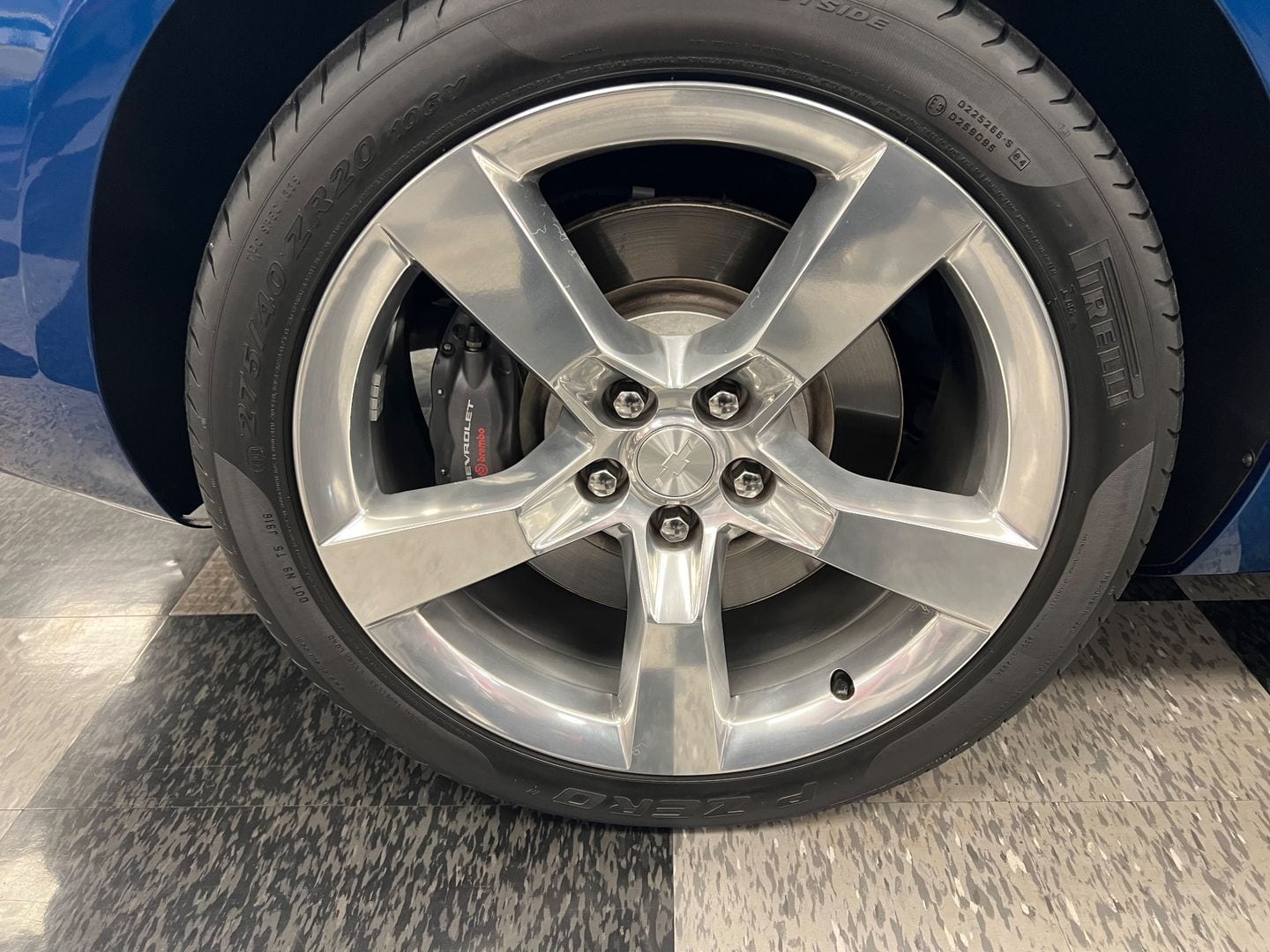
The exterior held up to close inspection. Paint and body were rated excellent, panel gaps were even and original, and there was no exterior rust. Glass and lights were all good, the wheels were good, and tire tread was healthy at more than 6/32 inch. The inspector found no evidence of accident or flood damage.
The interior, in the inspector's words, looks like new. Seats and upholstery were rated excellent, every seat belt functioned, the dash and electronics all worked, and both heat and A/C worked. The cabin smelled clean, and interior wear was consistent with the car's recorded use.
The engine bay was very clean, with no signs of leaks or wear. Oil was clean and full, coolant was full and clean, belts and hoses were good, and the engine started cold and idled smoothly. The inspector described the undercarriage as spotless: frame solid, exhaust good, suspension tight, and CV boots, bushings, mounts and driveline all rated good.
The road test confirmed the rest. By the inspector's account the car drove perfectly, with no creaks or rattles, and the suspension and steering felt like new. Braking was smooth and straight, steering was centered and tight, the engine sounded great, the transmission shifted smoothly and solidly, and the car was stable at highway speed with no noises or vibrations.
Were there any watch items or problems on the Camaro?
The Camaro had no watch items: every rated item came back good, and the report's guidance was Proceed — no major issues. Nothing on the report was flagged for caution or stop.
The closest thing to a note was the underbody rust and corrosion rating, which came back as minimal and was still rated good. On a car this age, minimal is about the best answer a buyer can hope to see in that box. The inspector's own description of the undercarriage was spotless, and the frame was rated solid.
For a buyer, a report like this leaves nothing to negotiate on and nothing to set aside as a near-term repair budget. Routine maintenance still applies to any used car. What the report establishes is that, on the day of the inspection and across the full Classic Car Inspection scope, nothing stood out.
What the Proceed guidance meant for the buyer's decision
The Proceed — no major issues guidance on this Camaro meant the inspection gave the buyer no condition-based reason to hold back. Every focus area flagged at booking came back clean, from engine and transmission to warning lights and codes.
Two findings carry extra weight on a car like this. Even, original panel gaps with no accident or flood evidence speak to the car's history. A clean OBD-II scan alongside a smooth cold start, solid shifts and a quiet road test speak to its mechanical health. When the visual check, the scan and the drive all agree, a buyer can lean on the result with more confidence.
A clean report settles the condition question. Price, paperwork and whether the car suits you remain the buyer's call, and the photo-documented report gives something concrete to review before signing.
What to check before buying a used Chevrolet Camaro
A used Chevrolet Camaro inspection checklist should start with the body and its history. Look down each side in good light for paint that does not match from panel to panel, and check that the gaps around the doors, hood and trunk are even. Uneven gaps or overspray are common giveaways of prior repair.
Get underneath, or have someone do it. Look for rust, frame damage, signs of structural repair and the condition of the exhaust. Suspension bushings, mounts and CV boots should be intact, not cracked or torn. Minimal surface corrosion is one thing; flaking metal or fresh coating over a repaired area is a different conversation.
Open the hood on a cold engine if the seller allows it. Check that oil and coolant are full and clean, belts and hoses are in good shape, and nothing is leaking. Watch the start: a smooth cold start and steady idle is a good sign. Ask for an OBD-II scan so any stored trouble codes are on the table before money changes hands.
Inside, test every electrical item, including heat and A/C, and pull each seat belt. Smell the cabin for musty odors, which can point to water intrusion, and compare interior wear with the car's claimed use.
On the drive, the brakes should stop the car smoothly and straight, the steering should sit centered, and shifts should be smooth. Listen for creaks, rattles and vibrations, and take the car to highway speed if it is safe and legal to do so. Check tread depth too; this Camaro's tires measured above 6/32 inch.
Getting an independent inspection on the Camaro you are considering
An independent pre-purchase inspection turns a good-looking listing into a documented answer. This 2010 Camaro in Cheswick, PA earned its Proceed — no major issues guidance because an inspector went through it item by item, scanned it and drove it.
Shoppers looking at a similar car can get the same kind of answer. Book an inspection at VehicleInspectors.com and an inspector in our network will go to the vehicle for you.