Call dispatch · (888) 923-5890
VehicleInspectors
The kit our inspectors carry

Vehicle inspection tools

A thorough used-car inspection takes eight tools: a bright flashlight, a tire tread-depth gauge, a battery tester that reads cold cranking amps, a brake pad gauge with a rotor caliper, an infrared thermometer, an OBD-II code scanner, a paint-depth gauge and a scanner that streams live engine data. Here is what each one measures, what a bad reading looks like on a car you are about to buy, and where to get one.

Updated November 17, 2026 · Vehicle Inspectors, independent inspections since 2012

Affiliate links. These are affiliate links to Amazon. As an Amazon Associate, Vehicle Inspectors earns from qualifying purchases, at no extra cost to you. We link to a search, not one model: any brand that meets the spec does the job. Inspectors in our network are never required to buy through these links.

Every inspectionBronze inspection, $249

Silver inspections addSilver inspection, $349

Gold inspections add (on top of Silver)Gold inspection, $449

One OBD-II scanner with live data covers both OBD-II lines.

What each tool tells you about a used car

The numbers below are general rules of thumb, not pass or fail lines: specs vary by make and model. A finding is a reason to ask questions, price in a repair or get the car checked properly before you pay.

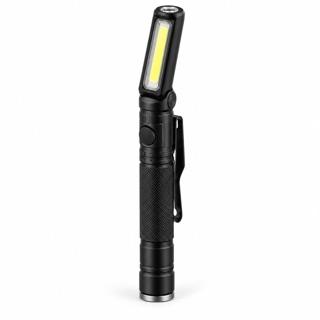
Bright flashlight

Used on Bronze inspections and up

Most of what goes wrong with a used car happens underneath it. A bright LED light shows the frame rails, suspension, exhaust and the underside of the engine and transmission, and makes the inspection photos readable.

Red flags: Fresh oil or coolant drips, wet gaskets, rust scale on the frame, welded or kinked frame sections, and fresh undercoating sprayed over just one area.

Tire tread-depth gauge

Used on Bronze inspections and up

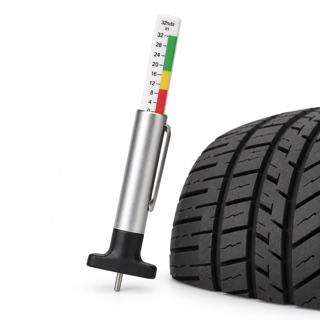
A tread gauge reads depth at the inner, center and outer grooves of every tire. New passenger tires usually start around 10/32 in. Most states set the legal minimum at 2/32 in, and many tire makers suggest replacing at 4/32 in.

Red flags: Tires near 4/32 in (a replacement cost the seller should account for), and uneven wear between the inner and outer edges, which points to an alignment or suspension problem.

Battery load tester

Used on Silver inspections and up

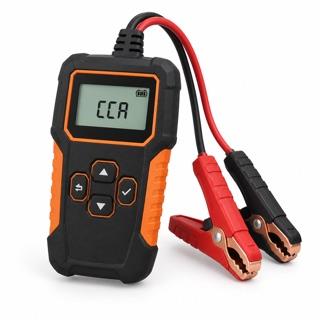
A conductance or load tester compares the cold cranking amps the battery actually delivers with the CCA rating on its label. A multimeter only shows the state of charge (about 12.6 V when full), so a dying battery can read fine on a multimeter.

Red flags: A battery testing well below its rated CCA is near the end of its life even if the car starts today. Expect it to fail the first cold morning.

Brake pad gauge + rotor caliper

Used on Silver inspections and up

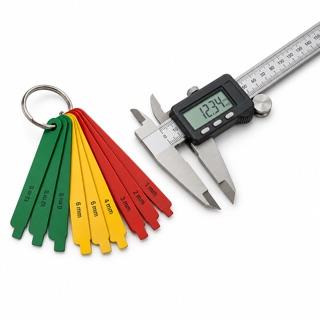
A pad gauge measures the friction material left on the pads, in millimeters, without pulling the wheels. New pads are usually around 10 to 12 mm. A digital caliper or rotor micrometer measures rotor thickness against the minimum stamped on the rotor (often marked MIN TH).

Red flags: Pads around 3 mm or less (most shops replace them there), uneven wear between the inner and outer pad, and rotors at or under their minimum thickness.

Infrared thermometer

Used on Silver inspections and up

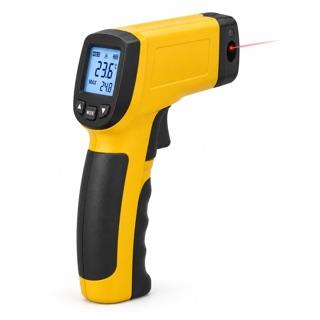
With the A/C on max for a few minutes, an infrared thermometer reads the air coming out of the center vent. A healthy system usually blows somewhere around 35 to 45 °F, depending on the outside temperature and humidity.

Red flags: Cool-but-not-cold or warm vent air, which can mean low refrigerant (a leak), a failing compressor or clutch, or a blend-door problem. A/C repairs are among the costliest surprises after a purchase.

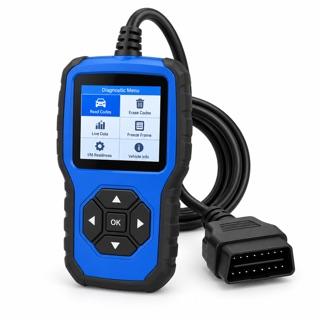
OBD-II code scanner

Used on Silver inspections and up

Every car and light truck sold in the US since 1996 has an OBD-II port under the dash. A code reader pulls stored codes (the ones that light the check-engine light) and pending codes (faults the computer has seen but not yet confirmed), and shows whether the emissions readiness monitors have completed.

Red flags: Pending codes, and readiness monitors showing "not ready". Several incomplete monitors can mean the codes were cleared recently, sometimes right before a sale.

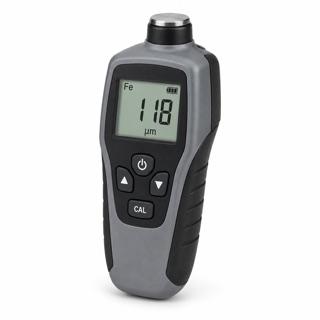
Paint-depth gauge

Used on Gold inspections

A coating-thickness gauge reads the paint in microns (µm) or mils. Most factory finishes read roughly 80 to 180 µm (about 3 to 7 mils), fairly evenly across the car. The gauge has to read both steel and aluminum, because many modern cars use aluminum hoods, fenders and doors.

Red flags: One panel reading far thicker than the rest, often 300 µm or more, which means a repaint or body filler: signs of an accident repair that may not be on the vehicle history report.

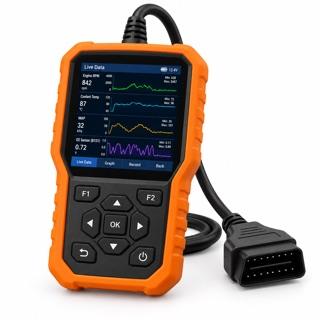
OBD-II scanner with live data

Used on Gold inspections

A live-data scanner, or an app with a Bluetooth dongle, shows what the engine computer sees in real time: coolant temperature as the engine warms up, short- and long-term fuel trims, and idle RPM. It catches problems that have not set a code yet.

Red flags: Coolant temperature that never reaches normal operating range (usually about 195 to 220 °F), fuel trims sitting well beyond roughly ±10 %, which can point to a vacuum leak or a fuel-delivery problem, and an idle that hunts up and down.

Buying a used car?

Skip buying the kit. An independent inspector brings these tools to the car, wherever it is, and sends a photo-documented report. Bronze $249, Silver $349, Gold $449.

Book an inspection

Compare what each level covers

Inspect cars for a living?

Independent inspectors in our network take jobs near them. Bronze jobs pay $100, Silver $140 and Gold $180. The more of this kit you carry, the more of those jobs can come to you.

Become an inspector

Already inspect with us? Got a new tool?

  • Tick it on your kit page so Silver and Gold jobs can come to you. Your personal kit link is in your job emails and texts. Can’t find it? Call or email dispatch and we’ll resend it.
  • Bring it to every job at that level. The report asks for the reading the tool takes.
  • Buying through these links is optional. It has no effect on the jobs you are offered or your pay. Any brand from any store counts, as long as it meets the spec and is with you on the job.

Vehicle inspection tools: common questions

What tools do you need to inspect a used car?
A thorough used-car inspection takes eight tools: a bright flashlight, a tire tread-depth gauge, a battery tester that reads cold cranking amps (CCA), a brake pad gauge with a digital caliper for the rotors, an infrared thermometer for the A/C, an OBD-II code scanner, a paint-depth gauge that reads steel and aluminum, and a scanner that streams live engine data. A flashlight and a tread gauge cover a basic visual check; the rest take the measured readings.
Can I inspect a used car myself?
You can do a basic check with a flashlight, a tread gauge and an inexpensive OBD-II code reader. The measured tests (battery CCA, brake and rotor thickness, A/C vent temperature, paint depth on every panel, live engine data) take the instruments and practice reading them. An independent pre-purchase inspection from Vehicle Inspectors costs $249 (Bronze), $349 (Silver) or $449 (Gold), and the inspector brings the tools to the car.
Is a multimeter enough to test a car battery?
No. A multimeter shows voltage, which tells you the state of charge (about 12.6 V when full). It does not show how many cold cranking amps the battery can still deliver. A conductance or load tester compares the actual CCA with the rating on the label, which is how you spot a battery near the end of its life.
Do I need an OBD-II scanner to buy a used car?
It is one of the cheapest and most useful checks. A scanner reads stored and pending trouble codes and shows whether the emissions readiness monitors have completed. Several monitors showing "not ready" can mean the codes were cleared recently, sometimes right before a sale.
What does a paint-depth gauge tell you about a used car?
It measures the paint thickness on each panel. Most factory finishes read roughly 80 to 180 microns (about 3 to 7 mils), fairly evenly across the car. A panel reading far thicker than the rest, often 300 microns or more, has been repainted or filled, which points to an accident repair that may not be on the vehicle history report.
What tools does a Vehicle Inspectors inspector bring?
Every inspection uses a bright flashlight and a tire tread-depth gauge. Silver inspections add a battery CCA tester, a brake pad gauge with a rotor caliper, an infrared thermometer and an OBD-II code scanner. Gold inspections add a paint-depth gauge and a live-data scanner on top of the Silver kit.

Want the full list of what gets checked, not just the tools? See the vehicle inspection checklist or what a pre-purchase inspection covers.

After the inspection

Buying from out of state? We can get it to you.

Compare real bids from carriers on uShip, open or enclosed, door to door. You pick the carrier and pay them directly. uShip is our transport partner. We may earn a referral fee at no cost to you.

Get transport pricing →
uShip — save on car shipping. Get started.

uShip is our transport partner. We may earn a referral fee at no cost to you.