
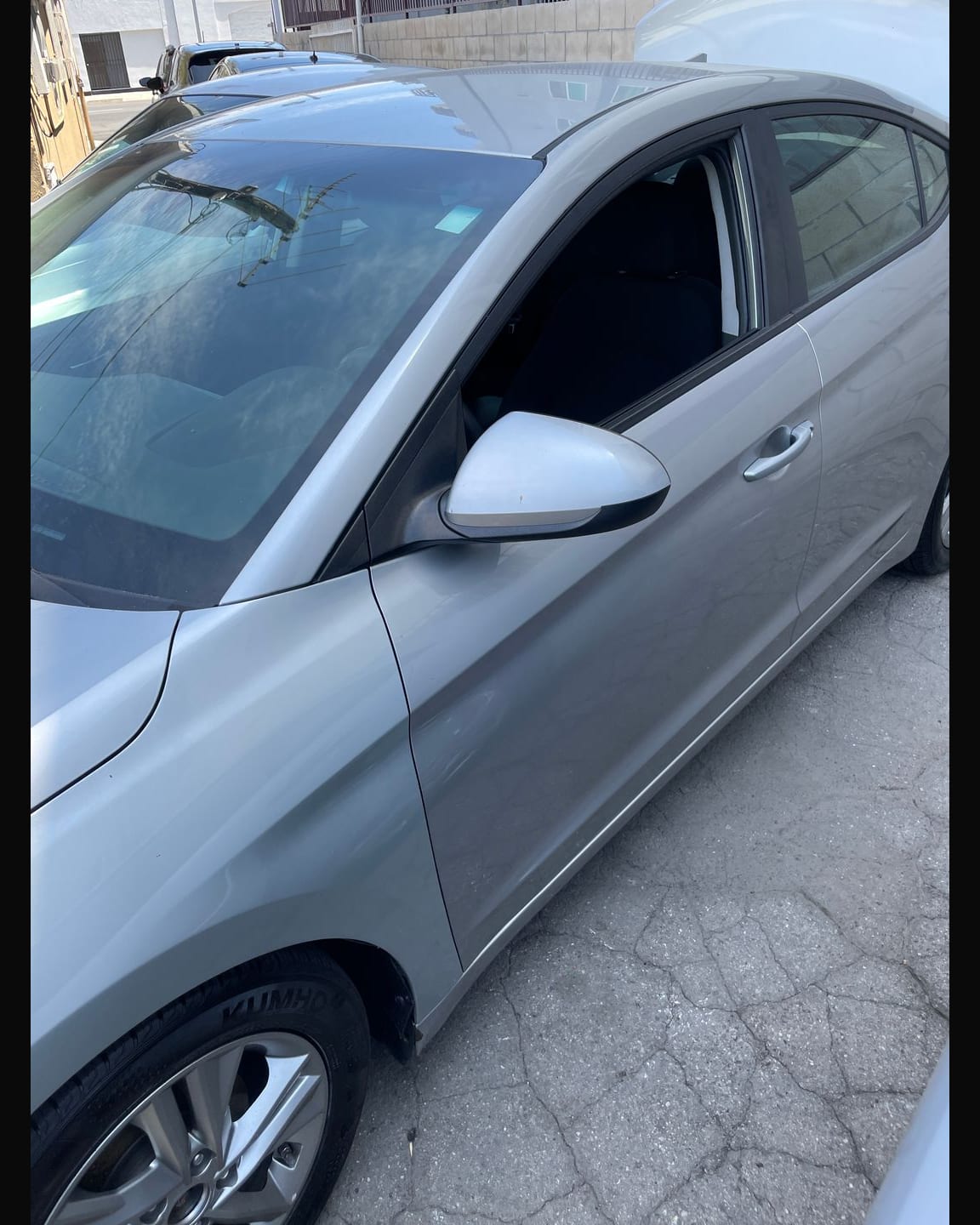
Why a buyer in Reseda, CA, wanted this Elantra inspected
The 2020 Hyundai Elantra in this Inspection Story was inspected in Reseda, CA, for a buyer who wanted an independent opinion before handing over money for a used compact sedan. The buyer listed no specific concerns when booking. With no rumored problem to chase, the inspector's brief was simply to go through the car from end to end.
A used Elantra is the kind of purchase where the real question is what the car will cost to own after the sale. A tidy cabin and a smooth test drive say a lot. They don't tell you what is happening underneath the engine, whether a panel has been repainted, or how current the maintenance is.
The buyer booked a Silver Inspection. An inspector in our network went to the car, worked through the published checklist, took it on the road, and delivered a photo-documented report with a plain-English go / caution / stop summary. The summary on this car was proceed with caution.
What does a Silver Inspection check on a 2020 Hyundai Elantra?
A Silver Inspection covers body, underbody, tires, glass, interior, electrics, engine bay, fluids, steering, suspension, brakes, exhaust, an OBD-II scan and a road test. The underbody check looks for rust, frame damage and structural repair. The body and paint check looks for evidence of prior repair or respray, along with signs of accident or flood damage.
Those checks matter on a commuter sedan because the expensive surprises are rarely visible from the driver's seat. A respray can hint at past repair work. Oil on the underside can come from a cheap fitting or a costly seal. Fluid levels and condition, the serpentine belt, and how the engine sounds at idle and under revs give a read on how the car has been kept.
The Silver tier also includes a road test of the drivetrain where the car is street legal, insured and the weather is safe, plus checks of lights, A/C, gauges and every other electrical item. The published scope lists a battery load test, brake pad and rotor measurement, and A/C and heater temperature readings as well. No instrumented readings were recorded for this report, so no figures are quoted in this story.
Nothing in the published scope involves taking parts apart. The inspector works with the car as it sits, and on this Elantra that limit mattered: the car sat too low for the source of an oil leak to be pinpointed.
What the inspector found in good shape
The mechanical basics on this Elantra checked out well. Oil, coolant, brake fluid and washer fluid were all in good condition and at proper levels. The serpentine belt was in good condition, and the engine sounded healthy both at idle and when revved. The engine oil itself was in good condition.
The road test was clean. The inspector reported that the suspension felt nice, the ride was very smooth, and the car had enough power to get onto the freeway. Braking was effective at high speed, and there were no abnormal noises or ride conditions. In the inspector's words, the car performs as it should.
The body and cabin were in good order apart from dirt. There were no major dents or scratches, and the panels were aligned properly. The tires were in good condition and dated 2024.
Inside, every button worked, the A/C blew cold, the infotainment system worked as intended, and the seats moved properly. The steering wheel and its buttons worked. The seats and plastics showed no serious damage. Underneath, the inspector found no damage on the frame and no rust.
What did the inspection find on this Elantra that needs attention?
An oil leak underneath is the finding that needs attention most. The subframe was covered in oil near the engine oil pan and the rear main seal. The car sat too low for the inspector to pinpoint the source, though the inspector's assessment was that it is engine oil.
The range of possible causes is wide. The inspector put it plainly: the leak could be as simple as a loose drain plug or as heavy as a rear main seal. A drain plug is a quick fix. A rear main seal sits at the back of the engine where it meets the transmission, so reaching it is a much bigger job. Until a shop finds the source, treat the leak as neither a walk-away item nor a minor budget item. It is an open question that affects price.
The left fender is a different shade from the rest of the paint. A mismatch like that can point to paint work at some point. The panels were aligned properly and the frame showed no damage, so the finding is a question for the seller rather than an alarm. Ask what was done and why, and use the answer when you negotiate.
The dash maintenance reminder shows service as overdue. The engine oil was in good condition, and the inspector assumed the reminder had simply not been reset after the last service. Ask for records to confirm it.
The inspector also noted that some routine maintenance will come due, as it does on any used car with some use behind it, and that the exterior and interior need a proper detail. Neither is more than a budget item.
Is a used Elantra with a proceed-with-caution rating worth buying?
The Elantra can be worth buying if the oil leak is diagnosed first and the price reflects what the diagnosis finds. On this report, proceed with caution reflected a car that was broadly sound, with one open question underneath.
Nearly everything else pointed in a good direction: healthy fluids, a good belt, no rust, no frame damage, a smooth freeway drive and working electrics. Those findings are why the guidance was caution rather than stop.
The practical path is straightforward. Ask the seller to let a shop put the car on a lift and trace the leak. If the cause is a drain plug, the leak becomes a minor item. If the cause is the rear main seal, the repair is a fair reason to negotiate on price, and a walk-away item if the seller won't move. Ask about the left fender's paint and request the service records at the same time.
What the buyer should avoid is assuming the leak is the cheap version because everything else looked good. The diagnosis takes little time compared with owning the answer after the sale.
Used Elantra inspection checklist: what to check before you buy
A Hyundai Elantra inspection checklist starts underneath the car. Look at the subframe and the area around the oil pan for wet oil or grime. If you see it, ask whether the car can go on a lift so the source can be traced before you agree on a price.
Check the paint in daylight. Stand at each corner and look along the car for panels that are a slightly different shade, then check that the gaps between panels are even. A mismatched panel with good alignment is a question to ask. A mismatched panel with uneven gaps deserves a much closer look.
Compare the maintenance reminder with the paperwork. An overdue reminder may mean nobody reset it, or it may mean the service was skipped, and only records settle which. Pull the dipstick and look at the oil, and check that the coolant, brake fluid and washer fluid are at proper levels.
Read the tire date codes on the sidewalls. Work every button, switch and screen in the cabin, and run the A/C. Drive the car at freeway speed, brake firmly from speed, and listen for noises over rough pavement. Make sure any inspection you book includes an OBD-II scan so stored trouble codes come to light.
Booking a pre-purchase inspection in Reseda, CA, or anywhere else
The pre-purchase inspection on this Elantra turned an ordinary-looking used sedan into a clear list: one leak to trace, one panel to ask about, one service record to find. That is the information a buyer needs to negotiate or walk away with confidence.
If you are shopping for a used Elantra or any other vehicle, you can book an independent pre-purchase inspection at VehicleInspectors.com, and an inspector in our network will go to the vehicle for you.