
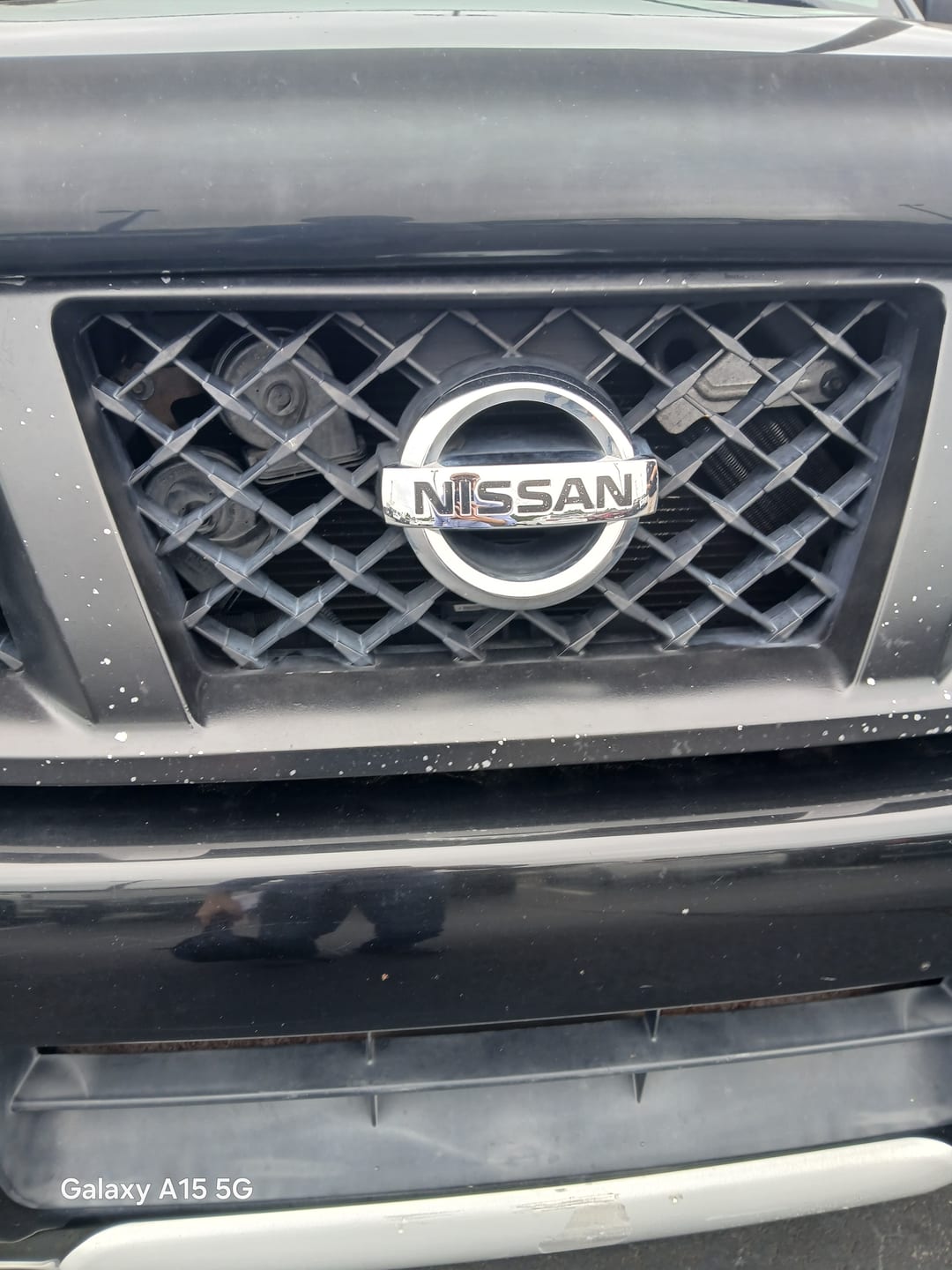
Why the buyer had this Titan inspected before buying
The 2015 Nissan Titan in this Inspection Story was a used full-size pickup for sale in Myrtle Beach, SC, and the buyer booked a Silver Inspection before committing any money to it.
A used truck is a different purchase from a used sedan. Pickups get asked to haul and work, and the evidence of how hard one has lived often sits underneath it or inside the drivetrain, where listing photos and a quick walk around don't reach.
The buyer did not list any specific concerns at booking. With no single system flagged, the inspector worked through the full published Silver scope, front bumper to tailpipe.
The stakes were simple. A clean result would let the buyer move ahead with confidence. A hidden frame, driveline or electrical problem could turn a reasonable purchase into an expensive one.
What does a Silver pre-purchase inspection check on a 2015 Nissan Titan?
A Silver Inspection covers the body, underbody, tires, interior, engine, transmission, driveline and electronics, plus an OBD-II scan, a road test and three instrumented tests. On the exterior, the inspector looks at paint and body for signs of prior repair or respray, checks panels, glass and lights, measures tire tread and looks for evidence of accident or flood damage.
The underbody check matters most on a pickup. The frame carries the load, so the inspector looks underneath for rust, frame damage and structural repair, then checks steering, suspension, brakes, exhaust and the full driveline, including four-wheel-drive and all-wheel-drive systems where fitted. For a truck being sold in a coastal city, that underbody look carries extra weight, since corrosion on frames, suspension and brake parts is exactly what inspectors want to rule out.
The Silver tier adds three measured tests that a visual check can't replace. A battery load test shows whether the battery delivers its rated output under demand, not just whether it looks clean. Brake pad and rotor measurement turns pad wear into a number in millimeters. A/C and heater temperature readings confirm the climate system actually produces cold and hot air at the vents.
The inspection also includes fluid levels, leak checks, a visual inspection of everything under the hood, a stored-code OBD-II scan and a road test where the vehicle is street legal, insured and the weather is safe. Results go into a photo-documented PDF report with a plain-English go / caution / stop summary.
Anything outside that published list, such as engine teardown or a title and history search, is not part of the Silver tier. The checks are visual, operational, scan-based and measured.
What the inspector found in good condition
The inspector's summary of this Titan was direct: a great overall vehicle, with no codes and no issues. The OBD-II scan came back with no stored trouble codes.
The exterior rated well across the board. Paint and body showed normal wear, panel gaps were even and original, glass and lights were all good, and there was no exterior rust. The inspector found no evidence of accident or flood damage. Tire tread was healthy at more than 6/32", and the wheels were in good condition.
Under the hood, the oil was clean and full, the coolant was full and clean, and belts and hoses were in good shape. There were no visible leaks, and the truck started cold and idled smoothly.
Underneath, the frame was solid and rust or corrosion was rated minimal. The exhaust was good, the suspension was tight, and CV boots, bushings and mounts all rated good. The driveline, including any 4WD or AWD components, was rated good.
The road test backed up what the inspector saw on the lift side. Braking was smooth and straight, steering was centered and tight, the transmission shifted smoothly, and the truck was stable at highway speed with no noises or vibrations. Inside, seats showed normal wear, the dash and electronics all worked, heat and A/C both worked, every seat belt functioned, odors were clean, and overall wear was consistent with the truck's mileage.
What watch items did the inspection find on this Titan?
The inspection found three minor watch items: rust on the shocks, small paint chips on the front, and an interior that needs deeper detailing. None of them affects how the truck starts, drives or stops.
Rust on the shocks was the only rust the inspector called out underneath. The summary described the undercarriage as almost entirely rust free except the shocks, and noted that the shocks appear to be in good working order, with all mechanical aspects of them good. The suspension also rated tight. For a buyer, that makes the shocks a watch item: something to keep an eye on at future services and a reasonable point to mention when negotiating, but not a walk-away item.
Minor paint chips on the front of the truck were the only exterior note. Paint and body still rated normal wear, with no exterior rust and original panel gaps. Front-end chips are cosmetic, and touch-up is a small budget item a buyer can choose to handle or leave alone.
The interior smelled fine and the odor check rated clean, but the inspector noted it still needs a deeper detailing. Upholstery showed normal wear. Detailing is a budget item and a fair, low-key negotiating point, not a sign of a mechanical concern.
What do the battery, brake and climate readings mean on this Titan?
All three instrumented readings were healthy: a passing battery load test, thick brake pads with good rotors, and cold A/C with a hot heater. Each number answers a question a visual check can only guess at.
The battery load test measured 646 CCA against a rating of 650 CCA, and the verdict was Pass. Cold cranking amps describe how much current the battery can deliver to start the engine in cold conditions. A measured figure within a few amps of the rating means the battery was performing close to its full rated output on inspection day, so it was not a purchase-day budget item.
The brake measurement showed front pads at 9.8 mm and rear pads at 9.9 mm, with the rotors rated good. Pad thickness tells you how much friction material is left before replacement. Readings close to each other front and rear, with good rotors and a road test showing smooth, straight braking, point to brakes that do not need attention at purchase.
The climate readings were 40.5 °F at the A/C vent and 106.5 °F at the heater vent. A vent temperature around 40 °F means the A/C is producing genuinely cold air, not just moving air, and a heater above 100 °F means the heating side is working. For a truck in a warm coastal market, confirmed A/C performance is a practical comfort item worth knowing about before you buy.
What the Proceed guidance meant for the buyer
The Silver Inspection report on this Titan carried the guidance Proceed — no major issues, the go end of the go / caution / stop summary. Nothing the inspector found should stop the purchase.
The inspection removed the biggest unknowns on a used pickup. The frame was solid, the driveline and transmission rated good, the engine started and idled smoothly, the scan showed no codes and the measured tests all passed. Whether a used Titan like this one is worth buying then comes down to price and fit, not hidden mechanical risk.
The watch items gave the buyer a clear, calm basis for the final conversation with the seller. Front paint chips and interior detailing are modest budget items. Rust on the shocks is a watch item to note for future maintenance rather than a repair needed now.
Proceed does not mean perfect. A truck with this report still needs normal maintenance, and the shocks are worth checking again at future service visits.
Used Nissan Titan inspection checklist: what to check before you buy
A used Nissan Titan, like any full-size pickup, deserves a careful look underneath first. Check the frame for rust, damage or signs of structural repair, then look at suspension parts, shocks, bushings and the exhaust. Learn to separate rust on a replaceable wear part, like a shock, from rust on the frame itself.
The driveline and transmission come next. If the truck has four-wheel drive, have that system checked as part of the inspection. On the road test, the transmission should shift smoothly, the steering should feel centered and tight, and there should be no noises or vibrations at highway speed. A smooth cold start matters too.
Ask for measured numbers, not impressions. A battery load test result in CCA compared with the battery's rating, brake pad thickness in millimeters front and rear, and A/C and heater vent temperatures in degrees all give you something concrete to weigh against the price.
Cover the basics as well. An OBD-II scan for stored codes, fluid levels and condition, belts and hoses, visible leaks, tire tread depth, panel gaps and paint for signs of respray, and any evidence of flood or accident damage. Inside, check that every electrical item works, seat belts function, and wear looks consistent with the mileage.
Book the inspection before you negotiate, and list any concerns when you book so the inspector can look at them specifically. Findings like paint chips or a needed detail are easier to discuss when they come from an independent report.
Book an independent inspection before you buy a used truck
A pre-purchase inspection on a used pickup turns a seller's description into documented findings, with photos, measured readings and a clear go / caution / stop summary. On this Titan in Myrtle Beach, SC, that report gave the buyer a Proceed rating and a short, honest list of minor items to weigh.
If you are shopping for a used truck and want an inspector in our network to check it before you commit, book an inspection at VehicleInspectors.com.