
Why the buyer wanted this Challenger inspected
A 2012 Dodge Challenger R/T in Delaware, OH was the car on the line, and the buyer wanted an independent opinion before committing to it.
The seller's description was short and confident: the car was supposed to have no issues and no underbody rust. Those are two claims a buyer cannot check from listing photos or a quick walkaround in a driveway.
Underbody rust is the harder of the two. It sits where a shopper can't easily see it, and a clean top side says little about what is happening underneath.
The buyer booked a Silver Inspection and named both concerns at booking. An inspector in our network went to the car, which put the underbody and overall mechanical condition at the top of the list for this pre-purchase inspection in Delaware, OH.
What does a Silver Inspection check on a 2012 Dodge Challenger R/T?
A Silver Inspection covers the body, underbody, tires, interior, engine bay, driveline, an OBD-II scan and a road test, plus three instrumented tests. On the outside, the inspector looks at paint and body for evidence of prior repair or respray, along with scratches, cracks, dents, rust, glass, lights, wheels and tire tread depth, and checks for signs of accident or flood damage.
Underneath, the Silver scope includes rust, frame damage and structural repair, plus steering, suspension, brakes, exhaust and all driveline components. Under the hood, the engine and everything around it gets a visual inspection, along with fluid levels, oil leaks and any missing parts. Inside, the inspector goes through upholstery, mats, headliner, seat belts, gauges, A/C and every other electrical item.
The instrumented part of the Silver tier adds a battery load test rather than a visual battery check, brake pad and rotor measurement, and A/C and heater temperature readings at the vents. The road test evaluates the drivetrain where the vehicle is street legal, insured and the weather is safe. Everything goes into a photo-documented PDF report with a plain-English go, caution or stop summary.
These checks matter on a performance coupe like this Challenger because how the car drives, stops and shifts tells you as much as the paint does. The engine bay check is visual, so the inspection reports what can be seen, scanned, measured and felt on the road; anything outside the published scope was not part of this report.
What came back clean on this Challenger
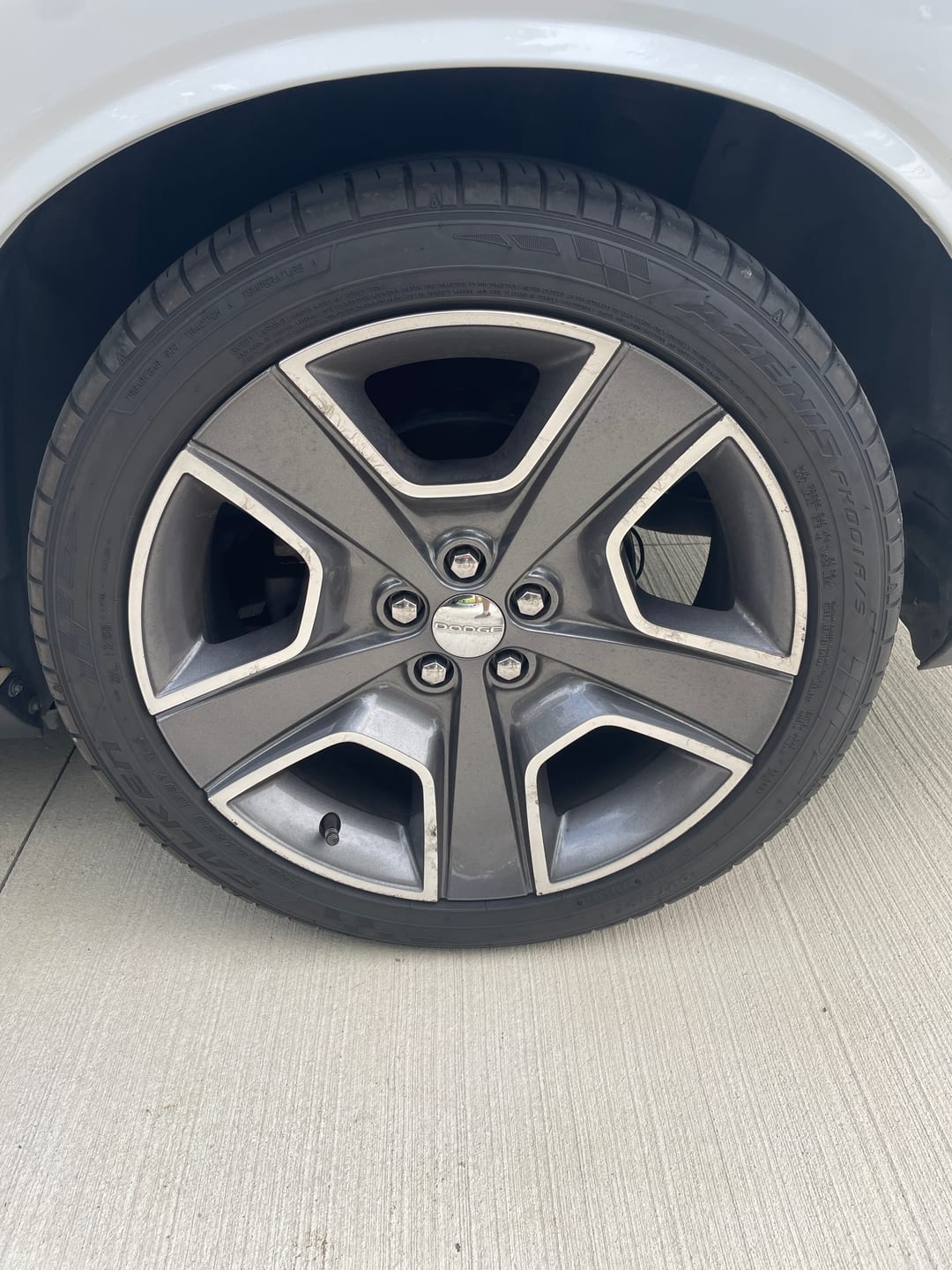
The Challenger's exterior rated well across the board. Paint and body showed normal wear, panel gaps were even and original, glass and lights were all good, the wheels were in good shape, and the inspector found no exterior rust and no evidence of accident or flood damage.
The underbody results speak directly to the buyer's main worry. The frame was rated solid, rust and corrosion were rated minimal, and the exhaust, CV boots, bushings, mounts and driveline all came back good. Minimal is not the same as none, but the inspector rated it in the good column.
Under the hood, the oil was clean and full, the coolant was full and clean, belts and hoses were good, and there were no visible leaks. The cold start and idle were smooth, and the OBD-II scan returned no stored trouble codes.
Inside, the seats showed normal wear, the dash and electronics all worked, heat and A/C both worked, every seat belt functioned and the cabin smelled clean. The inspector rated interior wear as consistent with the mileage, which is a useful check against a car that has been driven harder than its paperwork suggests.
On the road test, braking was smooth and straight, steering was centered and tight, the transmission shifted smoothly and the car was stable at highway speed. The inspector's notes were brief: the car feels great, stops on a dime and runs smooth.
What are the watch items on this used Challenger?
Four items landed in the watch column: tire tread, suspension wear, a minor road noise, and rotor wear from the brake measurement. None was rated a problem, and each is a budget item rather than a walk-away item.
Tire tread measured fair, in the 3–5/32 inch range. The tires are still serviceable, but a buyer should plan for a new set before long. If the price is still open, tread depth is a reasonable thing to raise; if it is settled, put tires on the near-term maintenance list.
The road test turned up minor tire noise, described as a low hum. The inspector rated noises and vibrations as minor. With the tread already in the fair range, a buyer can listen for whether the hum changes once the tires are eventually replaced.
Suspension showed minor wear. Steering stayed centered and tight and highway behavior was stable, so this reads as a component to keep an eye on rather than something affecting how the car drove during the inspection.
The brake measurement returned a verdict of rotor wear. The car still stopped smooth and straight, so this is a budget item: rotors are worth planning into the next brake service.
The instrumented readings, explained
The battery load test recorded 12 CCA measured against a rated 12 CCA, with a verdict of Pass. A load test checks whether the battery delivers its rated output under demand, which a visual check cannot show. Measured matching rated means the battery performed as specified at the time of the inspection.
Brake pad measurements came in at 8 mm on the front and 10 mm on the rear. Those numbers describe how much friction material remained on each axle. The pads were not the flagged item; the verdict pointed to the rotors, which is why rotor wear sits on the watch list while braking performance on the road test was rated good.
The A/C vent read 50 °F and the heater vent read 85 °F. Those readings put numbers behind the finding that both heat and A/C work. Keep them as a baseline: if the A/C ever feels weaker, you have a measured starting point to compare against.
Was this Challenger worth buying at the agreed price?
For this buyer, yes: the report's guidance was Proceed, no major issues, and the inspector recommended buying at the agreed-upon price. The inspector summarized the car as a clean, well-maintained example with minor wear consistent with its age and mileage.
The buyer came in with two claims to verify. On no issues, the car returned no trouble codes, no visible leaks, a smooth cold start and a clean road test. On no underbody rust, the frame was solid and corrosion was minimal. The buyer now knows the precise state of the underside instead of relying on the seller's description.
The watch items are the kind of costs any used car carries: tires with fair tread, rotors showing wear and some minor suspension wear. A Proceed rating does not mean a car is perfect. It means nothing found during the inspection outweighed buying it, and the buyer can plan for the rest.
What to check before buying a used Dodge Challenger
A useful Dodge Challenger inspection checklist starts underneath the car. Ask for the frame, underbody rust and any sign of structural repair to be checked, because those are the findings most likely to change a decision and the hardest to judge from a listing.
Next, check the body for paint and panel-gap differences that could point to a respray or prior repair, and look for any evidence of accident or flood damage. Then measure tire tread rather than eyeballing it, and ask for brake pads and rotors to be measured, not just felt through the pedal.
Under the hood, look at oil and coolant condition, belts, hoses and any leaks, and get an OBD-II scan for stored codes. Inside, test every electrical item, run both the heat and the A/C, check each seat belt, and compare interior wear with the mileage on the car.
Finish with a road test. Braking should be straight, steering centered, shifts smooth and the car stable at highway speed. Listen for hums, clunks or vibrations, and note them even if they seem minor. When you book, list your specific worries, the way this buyer flagged underbody rust, so the inspector knows where to focus.
Booking an independent inspection on your next Challenger
A seller's word that a car has no issues is a starting point. This buyer turned it into a documented report with measured brake pads, a battery load result, vent temperatures and a clear read on the underbody, then went ahead with a plan for tires and rotors.
If you are shopping for a used Challenger or any other used car, you can book an independent pre-purchase inspection at VehicleInspectors.com.